$76.64
Original: $218.98
-65%Oxford Handbook of Theological Anthropology—
$218.98
$76.64The Story
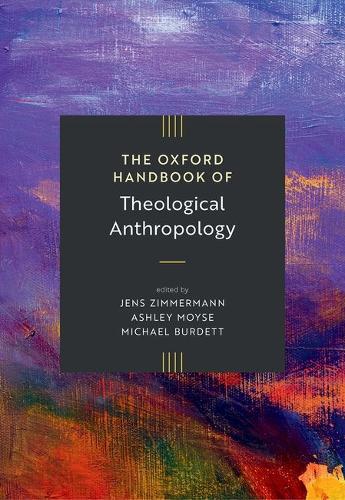
The Oxford Handbook of Theological Anthropology retrieves the biblical, patristic, and Christological roots of theological anthropology while engaging the philosophical, cultural, and technological pressures that challenge contemporary accounts of the human being. Against reductionist frameworks, whether techno-scientific, economic, or political, the Handbook affirms a theological vision of humanity grounded in the imago Dei as revealed and fulfilled in the incarnate Christ. The chapters in this volume trace the historical development of theological anthropology from the early Church through modernity, noting the Christological interpretation of human identity as dynamic vocation rather than static possession, and highlighting the turn to personalism in Catholic, Eastern Orthodox, and Protestant traditions. These essays also respond to modern crises of meaning, the dehumanizing effects of technological rationality, and distortions of identity shaped by race, gender, economy, and politics. Taken as a whole, these chapters advance an eschatological and relational anthropology that resists the flattening of personhood into function or performance, calling instead for a penitential and doxological inquiry into what it means to become human before God and with others.
Description
The Oxford Handbook of Theological Anthropology retrieves the biblical, patristic, and Christological roots of theological anthropology while engaging the philosophical, cultural, and technological pressures that challenge contemporary accounts of the human being. Against reductionist frameworks, whether techno-scientific, economic, or political, the Handbook affirms a theological vision of humanity grounded in the imago Dei as revealed and fulfilled in the incarnate Christ. The chapters in this volume trace the historical development of theological anthropology from the early Church through modernity, noting the Christological interpretation of human identity as dynamic vocation rather than static possession, and highlighting the turn to personalism in Catholic, Eastern Orthodox, and Protestant traditions. These essays also respond to modern crises of meaning, the dehumanizing effects of technological rationality, and distortions of identity shaped by race, gender, economy, and politics. Taken as a whole, these chapters advance an eschatological and relational anthropology that resists the flattening of personhood into function or performance, calling instead for a penitential and doxological inquiry into what it means to become human before God and with others.